

Building Long-term Scientific Observatories to Track Environmental Change in the Indian Himalaya
The DST-NMSHE project has established systematic baseline datasets and long-term ecological monitoring sites across the Himalaya.
These include long-term camera trapping in Gangotri National Park (since 2015), life-history monitoring of snow trout populations, Open Top Chamber climate-warming experiments in Gangotri and West Kameng District, and leaf phenology monitoring across elevation gradients in the Bagirathi River Basin focusing on the family Rosaceae.
As a long-term mission programme, the objective is to first establish robust ecological baselines and then track ecosystem responses to environmental change over time.
Long-term Monitoring of Life History Traits
Snow trout populations are monitored across western Himalayan basins— Tirthan River, Parwati River, Asiganga River and the eastern Himalayan basin of West Kameng.
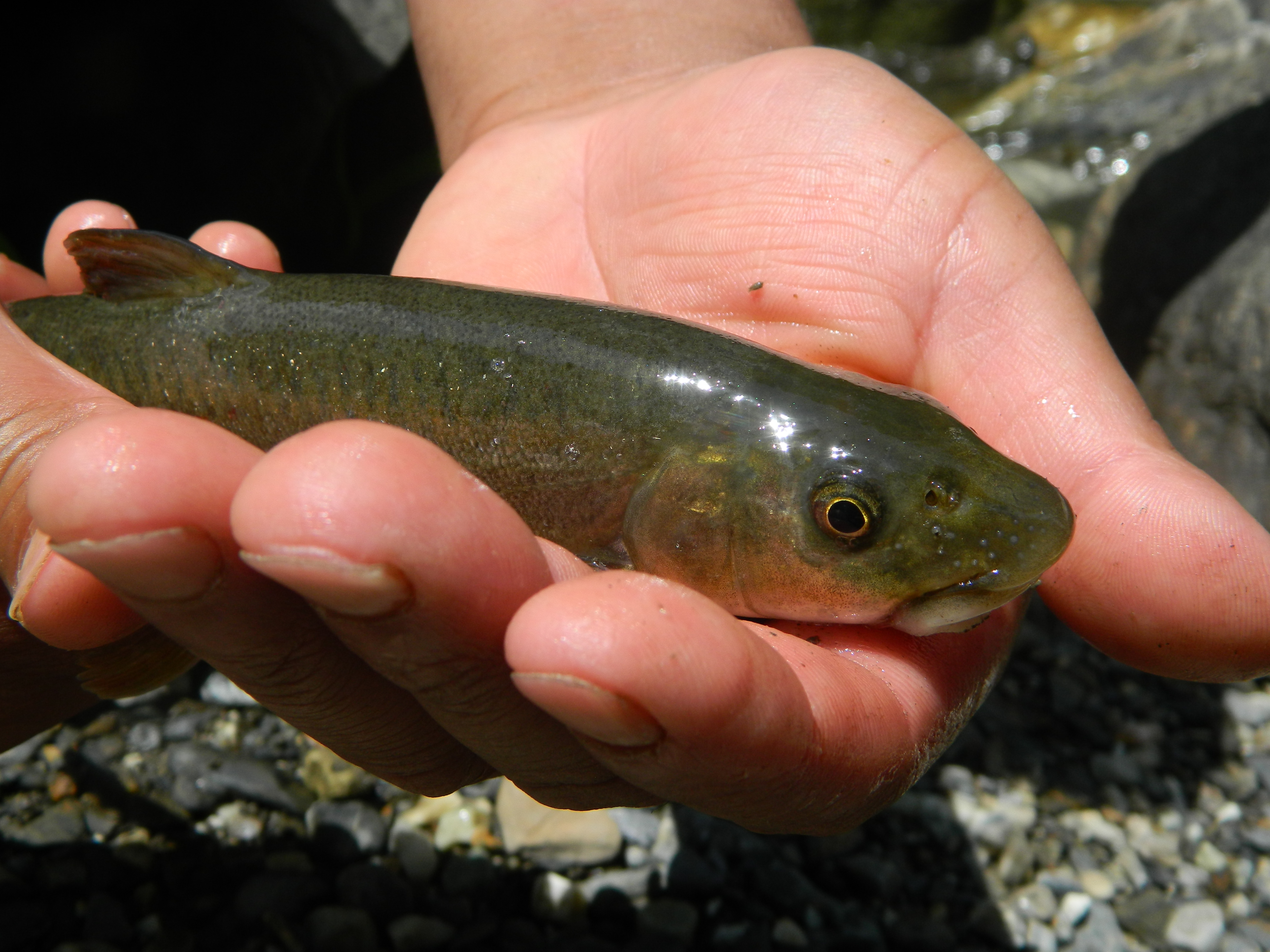

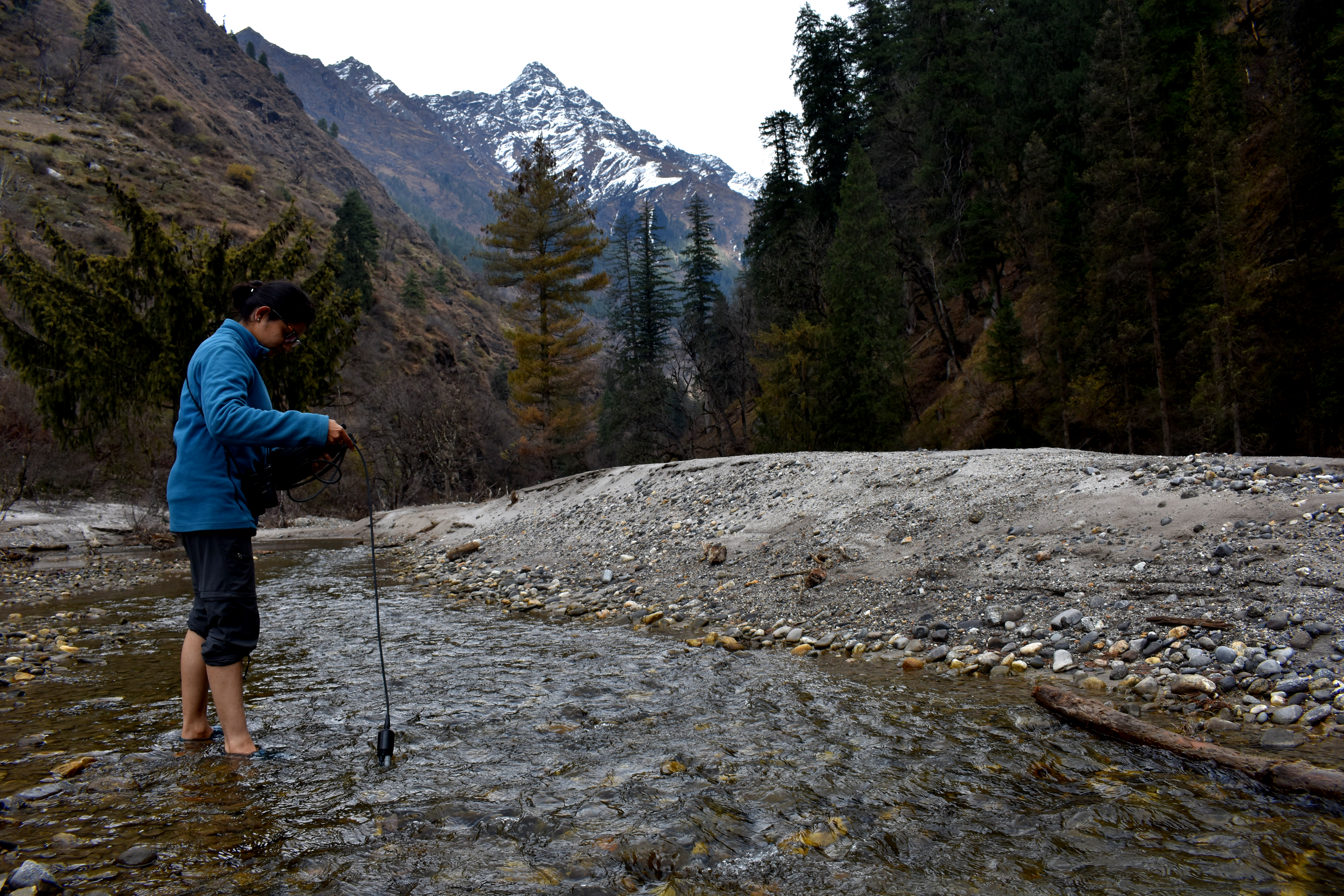

Long-term datasets on life-history traits, particularly breeding phenology, are used to assess responses to environmental variation, invasive species pressure, and potential climate change impacts in Himalayan river ecosystems. For details see –
Sharma et al. (2021), Biological Invasions.
https://doi.org/10.1007/s10530-020-02454-8
Johal et al. (2021), Journal of Applied Ichthyology.
https://doi.org/10.1111/jai.14242
Long Term Open Top Chamber Experiments and soil Nematode community structure
• Bhojbasa, Gangotri Natipnal Park Elevation, Uttarakhand : Elevation ~ 4000 m asl
• Sela Pass, West Kameng, Arunachal Pradesh: Elevation ~ 4170 m asl


Experimental Warming and its Effects on Diurnal Respiration in Alpine Meadows of the Western Himalaya

• Peak respiration occurred at 12:00, followed by an evening decline.
• Significant ER increase across all sites in June.
• In July and October, significant ER increase was observed only at midday.
For details see – Bansal et al. Discover Soil 1, 19 (2024). https://doi.org/10.1007/s44378-024-00023-2
Monitoring the Phenology of selected species in Bhagirathi basin
Long-term monitoring of plant phenology is being carried out in high-elevation habitats of the Bhagirathi Basin to understand how Himalayan vegetation responds to environmental variability and climate change.
Field sampling focuses on documenting key plant traits and seasonal phenological events such as leaf emergence, flowering, and fruiting across elevation gradients. These observations help generate baseline datasets on vegetation dynamics and allow researchers to track shifts in plant phenology over time.


Workflow for leaf trait sampling and laboratory processing: leaf samples were collected in the field, assessed for fresh measurements and area, dried in the laboratory, and weighed again to calculate key leaf traits
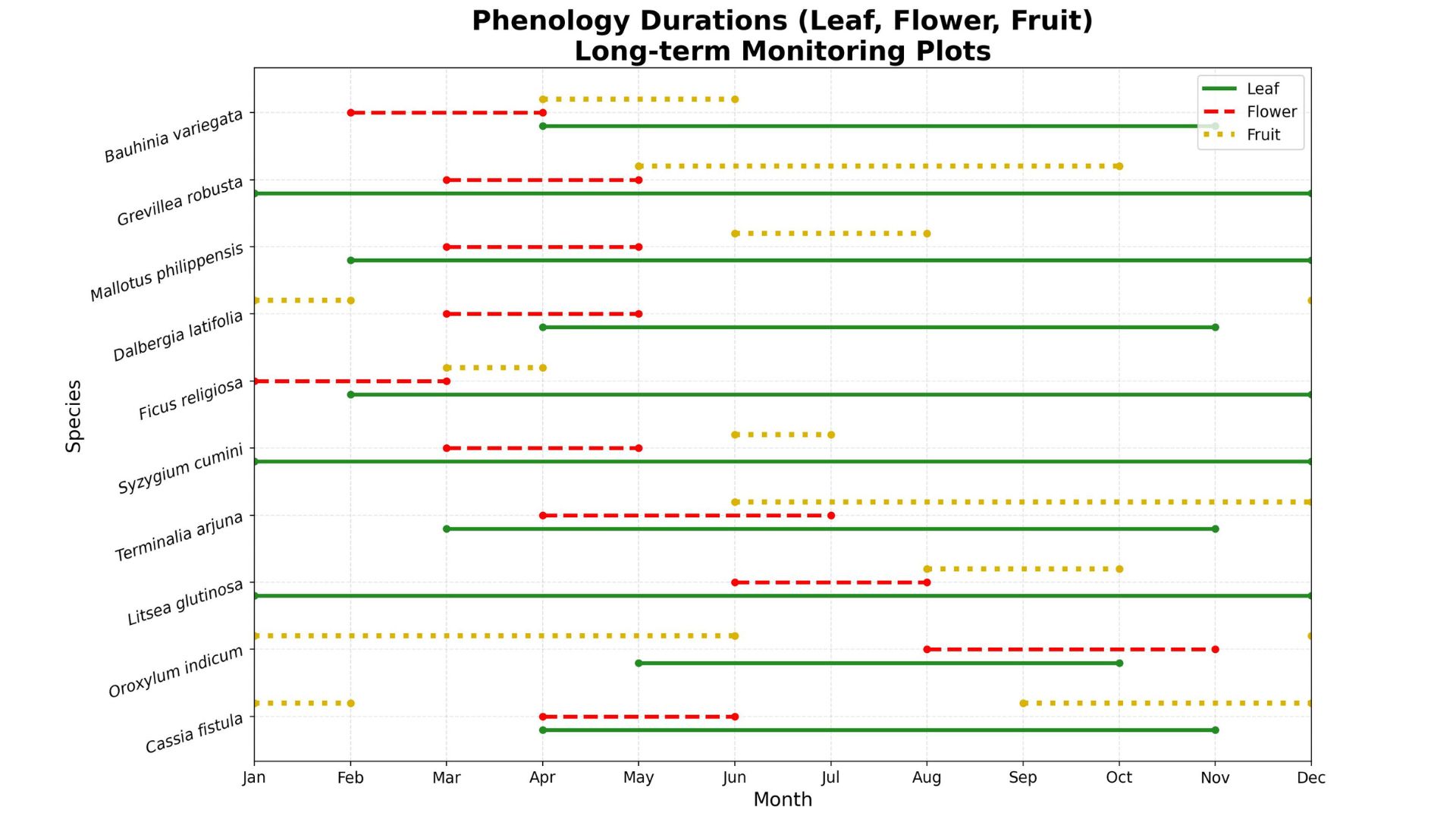
Long-term phenology monitoring of selected species is being carried out in permanent monitoring plots
Such long-term records are critical for assessing the ecological impacts of climate change on Himalayan ecosystems and understanding how species and plant communities respond to changing temperature and moisture regimes.